Is there any proof medical cannabis helps chronic pain?
Chronic pain can affect nearly every part of life: sleep, work, relationships and mental wellbeing. It is also more common among women, who may face particular challenges getting conditions such as endometriosis or menopause-related symptoms recognised and treated. So it is understandable that people living with ongoing pain ask whether medical cannabis could help.
The short answer is that research has found possible benefits for some people and some kinds of pain, but the overall evidence is mixed. The benefits may be small, side effects are possible, and the evidence is not strong enough for the NHS to recommend cannabis-based medicines as a routine treatment for chronic pain.
This article explains what the research can and cannot tell us, how NHS care may work, and what to know if you are considering a private assessment. It is general information, not a diagnosis or a substitute for advice from a healthcare professional.
What counts as medical cannabis?
“Medical cannabis” is a broad term for medicines made from, or containing, cannabis compounds. The two best-known compounds are THC (tetrahydrocannabinol), which can cause intoxication, and CBD (cannabidiol), which does not cause a “high” in the same way. Products differ in their ingredients, strength and how they are taken.
A prescribed cannabis-based medicine is not the same as cannabis bought illegally or sold as a wellness product. Unregulated products may have uncertain ingredients or strength, and CBD products sold over the counter are not automatically proven or suitable treatments for pain.
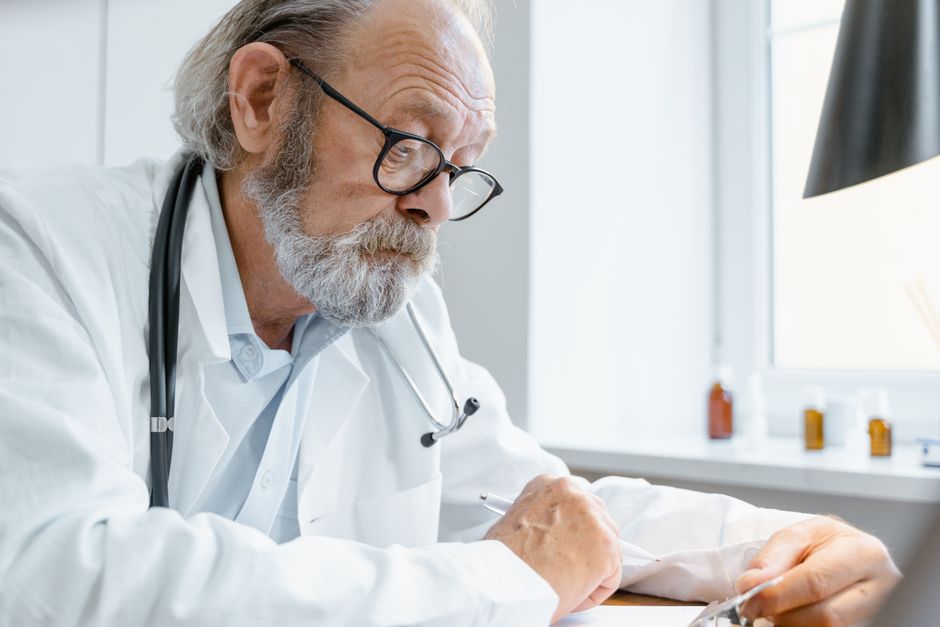
In the UK, a cannabis-based medicine can be prescribed in limited circumstances. Specialist doctors may prescribe certain products for some conditions, but prescribing for chronic pain is generally restricted to clinical trials within NHS guidance. A private clinic may assess whether someone could be considered for treatment, but an assessment does not guarantee a prescription.
What does the evidence say about chronic pain?
Research into cannabis medicines for pain has produced contradictory evidence. Some studies suggest that certain preparations may ease pain for some people, particularly in specific types of nerve pain. But studies vary in the products used, the length of treatment and the people taking part. Results from one product or group of patients cannot automatically be applied to every cannabis medicine or every kind of chronic pain.
Reviews of the research have generally found that any average improvement in pain is limited, while side effects are more common than with placebo. Many trials are short, and there is less reliable evidence about long-term benefits, safety and effects on everyday functioning. It is also difficult to separate the effect of a medicine from other influences, such as changes in sleep, mood or other pain treatments.
It is fair to say that some types of pain may improve for some people. That is different from proving that medical cannabis is an effective treatment for chronic pain overall. A person’s experience matters, but individual improvement does not, by itself, show that a treatment will help most people or that its benefits outweigh its risks.
Question What the evidence and guidance suggest Can cannabis medicines reduce pain? Some people may have a modest improvement, with evidence varying by product and pain condition. Are they proven for all chronic pain? No. Research is mixed and does not support a general recommendation for routine treatment. Does the NHS recommend them for chronic pain? NHS and NICE guidance says there is not enough evidence to recommend them routinely; use for chronic pain is generally limited to clinical trials. Are there risks? Yes. Possible effects include dizziness, sleepiness, impaired concentration and other mental or physical side effects. THC can also cause intoxication.Why isn’t medical cannabis routinely offered on the NHS?
NICE, which develops evidence-based guidance for health and care in England, has not recommended cannabis-based medicines as a routine treatment for chronic pain. The NHS position is that there is not enough good-quality evidence to support recommending them for this purpose outside a clinical trial.
This does not mean that pain is “all in your head”, or that a clinician doubts how much it affects you. It means the evidence has not established a reliable balance of benefit and harm for routine use. An NHS clinician may discuss other treatments, investigate possible causes, or refer you to a pain service depending on your symptoms and history.
There are also practical safety questions. Cannabis medicines can cause side effects and may interact with other medicines. THC may affect alertness, memory and coordination; this can be particularly important for driving, work or caring responsibilities. Medical advice is important before combining treatments or stopping prescribed medicines.

Women, chronic pain and delays in diagnosis
Chronic pain affects people of all genders, but women are more likely to experience several chronic pain conditions. Pain can be influenced by many factors, including a health condition, the nervous system, sleep, stress and social circumstances. There is no single explanation, and people’s experiences differ.
Women’s pain may also be dismissed or attributed to stress, periods or hormones without a full assessment. If pain is persistent, worsening, disrupting daily life or accompanied by other concerning symptoms, it is reasonable to ask for a review and explain clearly how it affects you.
Endometriosis: pain and a long road to diagnosis
Endometriosis is a condition in which tissue similar to endometriosis chronic pain the lining of the womb is found elsewhere in the body. It can cause severe period pain, pelvic pain, pain during or after sex, pain when going to the toilet, fatigue and difficulty getting pregnant. Symptoms vary: some people have severe pain, while others have few or no symptoms.
Diagnosis can take years. There is no single simple test that rules endometriosis in or out, and a normal examination or scan does not always exclude it. The uncertainty and delay can affect education, work, relationships, mental health and plans for having children. People deserve support for their symptoms while investigations are taking place, rather than having to wait for a confirmed diagnosis before their pain is taken seriously.
NHS care may include pain relief, hormonal treatment, investigations and referral to a gynaecology service. NICE guidance supports referral when symptoms are persistent, recurrent or affecting daily activities, and specialist assessment may be needed if symptoms are severe or treatment has not helped.
Menopause symptoms are not just hot flushes
Menopause can bring a range of symptoms, and these are not limited to hot flushes or night sweats. Some people experience joint or muscle aches, sleep problems, low mood, anxiety, difficulty concentrating, headaches, vaginal or urinary symptoms, and changes in sexual wellbeing. Pain and poor sleep can reinforce one another, making it harder to manage daily life.
These symptoms may be related to menopause, but they can also have other causes. A clinician can discuss the pattern of symptoms, health history and treatment options. Hormone replacement therapy may be suitable for some people, while non-hormonal options and support for individual symptoms may be considered for others. Persistent or severe pain should not automatically be assumed to be “just menopause”.
What treatments might the NHS offer first?
Treatment depends on whether pain is linked to a specific condition (sometimes called chronic secondary pain) or is chronic primary pain, where pain persists without a clear underlying disease fully explaining it. A person can have both. An assessment may consider the cause, the impact on daily life, existing medicines and what matters most to the person.
For chronic primary pain, NICE guidance puts emphasis on approaches that support function and quality of life. These may include supervised exercise or physical activity, and psychological therapies such as cognitive behavioural therapy (CBT) or acceptance and commitment therapy (ACT). Some antidepressant medicines may be considered after a discussion of likely benefits and possible harms. These medicines can sometimes help pain even when a person is not depressed.
For chronic primary pain, NICE advises against starting certain medicines, including opioids, paracetamol and non-steroidal anti-inflammatory drugs (NSAIDs), as routine treatment. This is not a rule that every individual must stop a medicine: decisions should be made with a clinician, especially if a medicine has been prescribed for another condition. Pain linked to a diagnosed condition may have different treatment options.
For endometriosis, for example, a clinician may discuss pain relief, hormonal treatments and referral for specialist advice. For other conditions, care could involve physiotherapy, condition-specific medicines, a pain clinic or a combination of approaches. The aim is often not only to lower pain but also to improve sleep, mobility, participation in daily activities and overall wellbeing.
How to seek help and prepare for an appointment
Start with your GP or another appropriate NHS service if pain is new, changing, severe or affecting your everyday life. A referral may be made to gynaecology, a pain service or another specialist, depending on the symptoms. You can help make the appointment useful by describing what has changed and what you hope to achieve.
- Keep a brief record of when the pain happens, where it is, how severe it feels and what makes it better or worse.
- Note related symptoms, such as bleeding, bowel or bladder changes, sleep disruption, fatigue or mood changes.
- List medicines and treatments you have tried, including whether they helped and any side effects.
- Explain the practical impact: for example, missed work, difficulty walking, disrupted sleep or changes to relationships.
- Ask what the next step is, when you should follow up and what to do if symptoms worsen.
Want to know something interesting? if you feel your concerns have not been addressed, you can ask for the reasoning to be explained, request a review or seek another opinion. You do not need to prove that you are coping well in order to deserve help.
Considering a private medical cannabis assessment?
Some private services offer an online eligibility check to help people understand whether they might meet a clinic’s assessment criteria. This is usually an initial screening tool, not a diagnosis or a promise that treatment will be prescribed. Exactly.. If you proceed, a clinician may offer a private video consultation to discuss your medical history, symptoms, previous treatments and possible risks.
Before booking, check who will assess you, whether the clinician is appropriately registered and experienced, what the consultation and follow-up costs are, and what happens if treatment is not considered suitable. Ask how the service communicates with your NHS team and whether it expects you to continue other care. Be cautious of any service that guarantees a prescription or claims cannabis will cure chronic pain.
A responsible assessment should consider other causes of pain, previous treatment options, possible interactions and whether the likely benefits justify the risks for you. Never stop or change prescribed medicines without discussing it with the clinician responsible for your care. Do not drive if a medicine or its effects make you unfit to do so.
So, is there proof medical cannabis helps chronic pain?
There is some evidence that certain cannabis-based medicines may help some people with some types of pain, but the overall picture remains uncertain. The research is contradictory, benefits appear limited for many people, and side effects matter. At present, the NHS says there is not enough evidence to recommend medical cannabis routinely for chronic pain.
If you are living with ongoing pain, that uncertainty should not leave you without support. Ask for an assessment of possible causes and discuss treatments that fit your condition, priorities and health history. For women experiencing possible endometriosis or menopause-related symptoms, make sure the full impact is heard and that persistent symptoms are followed up. Whatever treatment you consider, a plan should be based on an honest discussion of evidence, risks and what improvement would mean in your everyday life.